


By MES Dispatch Staff
The Briefing
- The Seattle Police Department published a 17-page after-action report Monday examining its response to the July 26 Bite of Seattle shooting, which killed three people and injured at least four others.
- The report found officers stationed less than 100 feet from the gunfire had one shooter in custody within 30 seconds.
- It attributed an hourslong delay in public communication to a “convergence” of senior and elected officials that distracted commanders from releasing information, and cited budget constraints for the low number of officers — seven supervisors and 29 officers — staffing the event.
- Then-Police Chief Shon Barnes was asked to resign five days after the shooting; Mayor Katie Wilson had erroneously reported two suspects in custody and faced criticism over the delayed public response.
- The department recommended designating an authorized on-scene spokesperson, pre-authorizing drone use during mass-casualty incidents, and separating the chief’s tactical role from mayoral liaison duties.
SEATTLE — The Seattle Police Department released a 17-page after-action report Monday attributing an hourslong delay in public communication following the July 26 Bite of Seattle shooting to distractions from senior and elected officials, as well as budget-driven staffing shortfalls at the event.
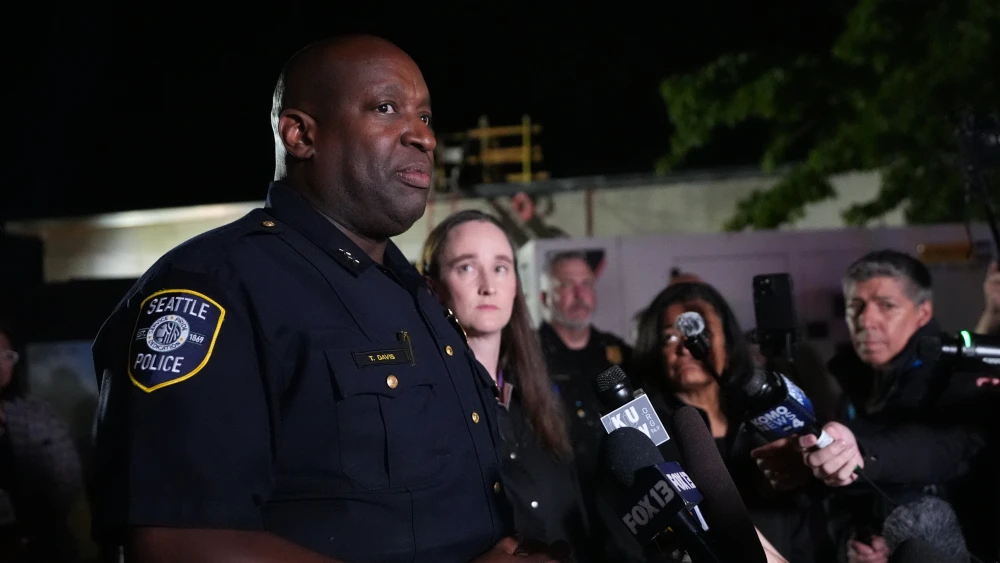
Interim Police Chief Andre Sayles and Assistant Chief Tyrone Davis were scheduled to present the report Tuesday to the City Council’s public safety committee. The shooting at Seattle Center killed three people and injured at least four others.
According to the report, officers stationed less than 100 feet from where gunfire broke out had one of the shooters in custody within 30 seconds. But the report said an ensuing “convergence” of officials distracted police from making scene decisions and delayed the release of public information, while ongoing budget constraints left the event — which drew thousands of attendees — staffed with only seven police supervisors and 29 officers. “The instincts were right,” the report concluded. “Now resource the rest of the response the same way.”
The report found that a public information briefing should have occurred before an 8:30 p.m. internal briefing between police commanders and then-Chief Shon Barnes, and before a separate 9 p.m. briefing between police and elected officials. Seattle Mayor Katie Wilson and police officials had faced criticism for leaving the public without information for five hours after the shooting, and for Wilson’s erroneous early report that two suspects were in custody. Five days after the shooting, Wilson requested Barnes’ resignation; he had been attending a conference in Dallas at the time of the shooting.
The department’s recommendations include designating an on-scene police spokesperson authorized to issue public safety alerts, pre-authorizing drone use during mass-casualty incidents and active-suspect scenes, and separating the police chief’s tactical role from duties as a liaison to the mayor’s office. The report also called for reconciling casualty counts before releasing them publicly and ensuring coordination among senior and elected officials does not divert commanders’ attention from the scene. “Officers positioned close to the crowd stopped the threat in seconds,” the report said. “The gaps identified here — aerial support policy and public information timing — sit downstream of that response.”