


By MES Dispatch Staff
The Briefing
- The Los Angeles City Council voted 10-4 Tuesday to overrule approval of an Axon Enterprise pilot program that would mount license plate readers on streetlights across the city.
- The Board of Police Commissioners had previously approved the pilot, which would give the LAPD AI-enabled cameras that identify vehicles, plates, pedestrians and objects.
- The council said it also has concerns about a separate 10-year, $235 million LAPD contract with Axon covering body cameras, Tasers, cloud storage and AI report-writing tools, but lacks authority to act on it.
- The matter now goes to the council’s public safety committee, likely on Oct. 20, before returning to the full council later that week.
- The LAPD allowed its agreement with Flock Safety to lapse earlier this year over concerns about how the data was being used by federal authorities.
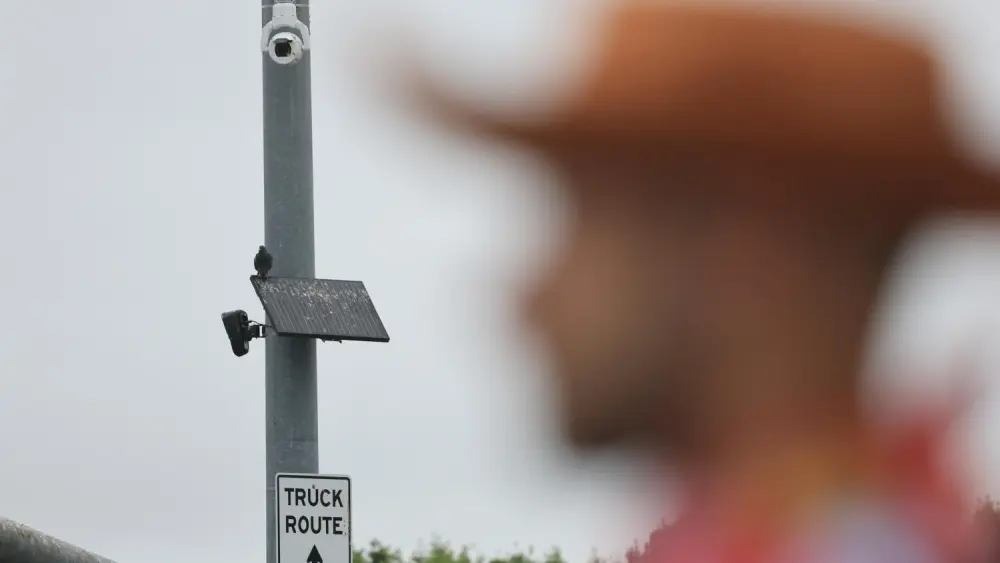
LOS ANGELES — The Los Angeles City Council voted Tuesday to delay an agreement that would allow the Los Angeles Police Department to deploy hundreds of license plate readers, citing lingering concerns about potential misuse of the technology, the Los Angeles Times reported.
The 10-4 vote overruled the Police Commission’s approval of a pilot by Axon Enterprise that would attach plate scanners to streetlights and give the department an upgraded version of its current systems. The cameras would use artificial intelligence to identify vehicles, license plates, pedestrians and other objects on streets and sidewalks. The council’s action sends the pilot to the public safety committee for review. A Police Commission spokesperson said board members were not immediately available for comment.
The council said it also had concerns about a separate 10-year, $235 million contract between the LAPD and Axon, under which the company would replace thousands of body-worn cameras, supply new Tasers, provide cloud video storage and roll out a program using AI to help officers write reports, but members said they lack the authority to act on it.
Council members split on the pilot. Councilmember Hugo Soto-Martínez said a delay would give the public and city leaders more time to review the safeguards in the proposed memorandum of understanding with Axon. Councilmember Traci Park, a supporter of plate reader technology, said the devices need to be “up and running” without delay. Councilmember Eunisses Hernandez said deploying the technology would be irresponsible, citing news reports of officers elsewhere misusing plate readers to stalk romantic partners and track women seeking reproductive health services. Council President Marqueece Harris-Dawson said he still had privacy concerns, though he noted that readers deployed along the Figueroa corridor had assisted in the rescue of dozens of juvenile sex trafficking victims. “I don’t know what else the cameras are doing,” he said. Councilmember Monica Rodriguez said the city needs a universal policy governing the technology as other city agencies, such as sanitation and street services, adopt it.
Earlier this year, the LAPD allowed its agreement with Flock Safety to lapse over concerns that the Trump administration is using collected data to locate immigrants targeted for deportation. Police officials say they no longer have access to Flock’s cameras, many of which are owned by homeowners associations and other private groups. LAPD Chief Jim McDonnell and other department leaders have pushed to expand plate reader use, saying the technology helps solve crimes and locate stolen vehicles and fugitives.
In a presentation to the Police Commission last month, LAPD technology chief Dean Gialamas said Axon had agreed to terms giving the department complete ownership of the captured data and barring data-sharing with federal authorities. He said the proposed deal would limit plate reader use to criminal investigations, missing persons cases and other serious public safety matters, and prohibit searches based solely on protests or other First Amendment-protected activity. Investigators would no longer have “unfettered access” to plate data, he said, and retention periods would be significantly shortened, with regular audits to flag unusual searches.
A report last month by the LAPD’s inspector general found numerous limitations in the department’s current agreements with its three plate reader vendors, Flock, Axon and Motorola, including unclear language on data retention and sharing with other agencies. The inspector general recommended updating the contracts to address data security and privacy, conducting regular audits and developing standardized rules for traffic stops based on plate reader hits.