


By MES Dispatch staff
The Briefing
• The U.S. Supreme Court heard arguments in a case over police use of geofence warrants that seek phone location data to identify suspects.
• Geofence warrants require tech companies to provide data on all devices in a defined area and time frame, not specific individuals.
• Privacy advocates argue such warrants violate the Fourth Amendment; police agencies say they are vital investigative tools.
• The high court’s ruling could set national precedent for digital privacy and law enforcement access to location information.
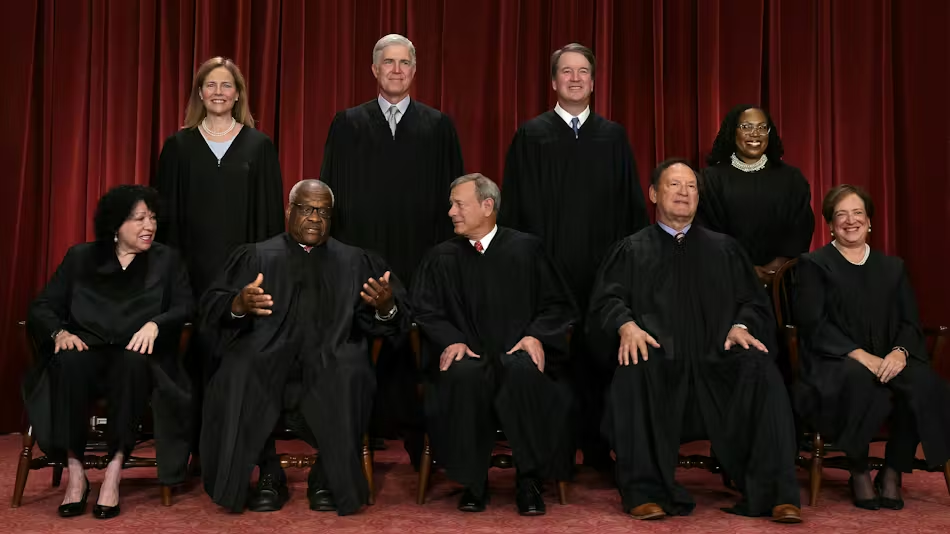
WASHINGTON, DC — The U.S. Supreme Court on Wednesday heard arguments in a major case concerning whether police can use geofence warrants to obtain phone location data from technology companies as part of criminal investigations.
Geofence warrants ask communications firms to identify all devices that were within a designated geographic area during a specific time period, rather than targeting an identified suspect, raising legal questions about scope and privacy under the Fourth Amendment.
During oral arguments, attorneys for privacy advocacy groups argued that the broad approach sweeps up large amounts of information on innocent people and violates constitutional protections against unreasonable searches.
Representing law enforcement interests, government lawyers told the justices that geofence warrants are legitimate investigative tools that help identify suspects in serious crimes and that safeguards exist to limit misuse of data.
The court’s eventual decision could establish a national standard for how courts balance digital privacy expectations with law enforcement’s access to location data collected by private technology providers.