
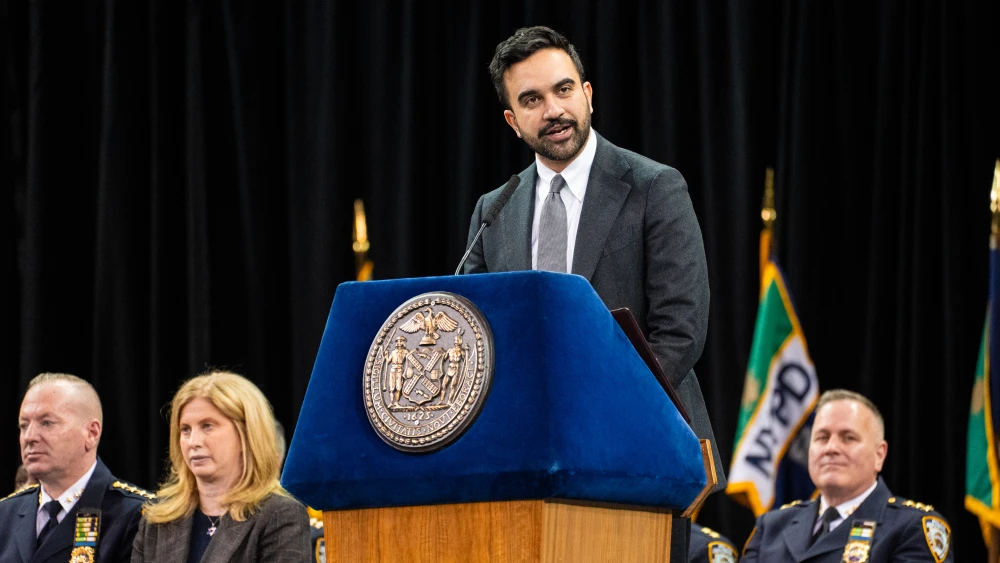


By MES Dispatch Staff
The Briefing
- New York City Mayor Zohran Mamdani announced Monday that the NYPD’s Strategic Response Group will be dissolved, fulfilling a campaign promise.
- The plan creates an unarmed civilian unit called the Community Dialogue and De-escalation Division, housed in the Office of Community Safety, which will not be operating for at least another year.
- In the interim, a 30-member First Amendment Support Team of NYPD officers trained in de-escalation will lead protest response, while a new Patrol Support Division will handle mass arrests and accompany FAST officers.
- The plan bans officers from tactics such as kettling and tear gas during protests, and the SRG’s counterterrorism functions will move to the Intelligence and Counterterrorism Bureau.
- The Legal Aid Society welcomed the move but urged oversight, while Police Benevolent Association President Patrick Hendry criticized it.
NEW YORK — Mayor Zohran Mamdani announced Monday that the NYPD’s Strategic Response Group will be dissolved and replaced in three stages, delivering on a campaign promise and launching the first major policing reforms of his administration, the New York Daily News reported.
The SRG was the department’s unit for protest response and counterterrorism, and it has drawn criticism from public safety advocates. In a video with City Councilmember Chi Ossé, Mamdani said the change goes beyond disbanding the unit. “We are building a new approach to public safety,” he said. He also announced support for a bill from Ossé to put the changes into law, and said officers will be barred from using aggressive crowd management tactics such as kettling and tear gas.
Under the plan, City Hall will create an unarmed civilian unit, the Community Dialogue and De-escalation Division, within the Office of Community Safety, which Mamdani established in March. The unit will not be operating for at least another year. Meanwhile, a 30-member First Amendment Support Team of NYPD officers trained in communication and de-escalation will lead protest response, a model similar to Columbus, Ohio’s, which city officials visited earlier this year. The NYPD will also create a Patrol Support Division within its Patrol Services Bureau, which will take over much of the SRG’s protest-related work, such as mass arrests, and will be positioned near protests alongside the support team. The SRG’s counterterrorism work, including heavy weapons deployments, will move to the Intelligence and Counterterrorism Bureau.
NYPD Commissioner Jessica Tisch said in a joint interview with the mayor on ABC7 that New Yorkers can expect to see the same response in crowd control situations they are accustomed to, citing the disorder after the Knicks’ championship win as an example.
The Legal Aid Society welcomed the disbanding and the endorsement of Ossé’s bill, calling the SRG one of the department’s most notorious units. It said both measures are important progress for protecting First Amendment rights but warned the restructuring needs vigilant oversight so the SRG’s tactics are not repeated, and urged the mayor to monitor use of force, surveillance and arrests.
PBA President Patrick Hendry criticized the plan, saying the mayor was looking to appease his radical base. He said the next time demonstrators block bridges and roadways, New Yorkers should remember that Mamdani is on their side, not theirs.