


By MES Dispatch Staff
The Briefing
- Boston City Council Ways and Means Committee Chair Ben Weber released a budget amendment package on May 30, 2026, proposing to redirect approximately $3.08 million from the Boston Police Department’s salary and overtime budgets to equity and social service programs.
- The proposal would cut approximately $1.58 million from BPD salary accounts and $1.5 million from overtime funding, redistributing those dollars to initiatives including housing, youth employment, immigrant services, mental health response, and senior programming.
- The amendment package is intended to restore portions of $12.27 million in grant funding cut in Mayor Michelle Wu’s proposed $4.9 billion FY27 city budget, which is set for a City Council vote on June 4, 2026.
- Boston Police Patrolmen’s Association President Larry Calderone publicly opposed any reduction to police overtime funding, citing a department staffing level of 2,188 sworn officers — well below the 2,500 mandated by the Boston Municipal Code.
- Mayor Wu has previously vetoed City Council public safety budget cuts, and the Council deadlocked 6-6 on a prior vote to reject the mayor’s budget outright.
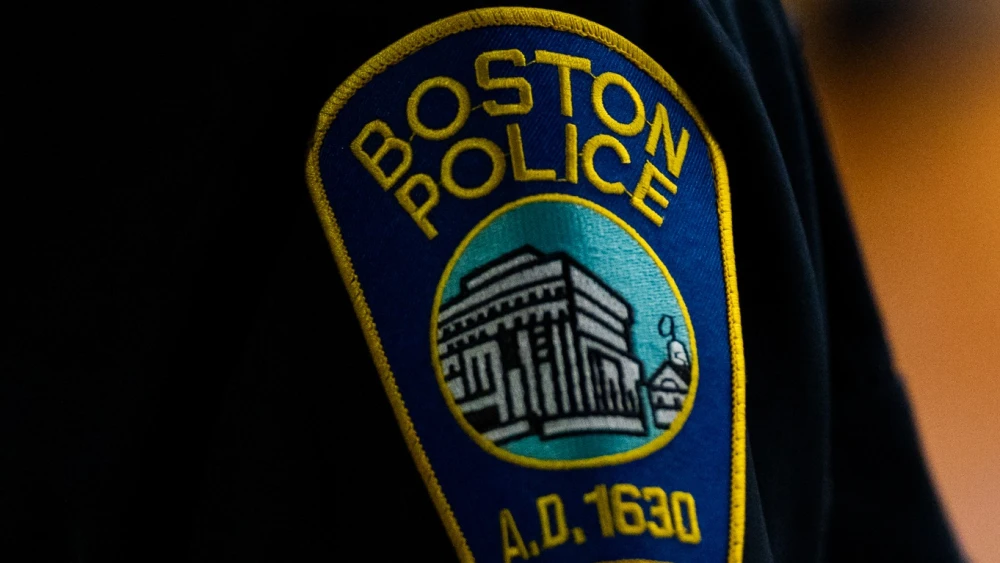
BOSTON, Mass. — The Boston City Council is considering a budget amendment package that would redirect more than $3 million from the Boston Police Department’s salary and overtime budgets to a range of equity and social service programs, ahead of a scheduled June 4 vote on the city’s fiscal year 2027 budget.
The amendment package was released by Councilor Ben Weber, chair of the Ways and Means Committee, as part of a broader effort to restore $12.27 million in grant funding cut by Mayor Michelle Wu in her proposed $4.9 billion FY27 budget. Weber’s proposal would move approximately $11.4 million across city departments in total, with the police-specific reductions offered as optional add-on amendments. The overall FY27 budget reflects a 2.1% increase — the lowest rate of growth since fiscal year 2010, according to the mayor’s office.
The proposed $1.58 million reduction to police salary accounts would fund several programs, including equity cabinet grants, age-related services, a food production support initiative called Grow Boston, a Boston Public Health Commission violence intervention mentorship program, and a tenant stabilization fund for eviction prevention. A separate $1.5 million cut to police overtime funding would be directed toward BPHC’s non-police mental health response program, community land trusts, a caregiver support pilot for those affected by incarceration, public restrooms, arts and culture grants, and literacy programming.
Weber framed the overtime reduction as targeting unfilled vacancies and excess spending, noting that Boston’s police overtime expenditures have exceeded those of comparably sized cities. Mayor Wu has acknowledged that the city intentionally budgets police overtime below actual projected spending; Wu told the Boston Globe editorial board in April that the lower figure makes proposed BPD budget increases more politically workable. The city overspent its public safety overtime allocation by $48.7 million in the current fiscal year, and Wu has set police overtime at $55.64 million in her FY27 proposal — an amount she has indicated will again be exceeded.
Boston Police Patrolmen’s Association President Larry Calderone pushed back against the proposed cuts, stating that any discussion of reducing overtime funding below actual spending levels wastes taxpayer resources and damages officer morale. “As long as the city has so few officers to properly staff shifts, overtime expenditures will continue to rise,” Calderone said in a statement, adding that the department needs more rank-and-file officers on the street. BPD staffing stood at 2,188 sworn officers as of August 2024, according to a department spokesperson — significantly below the 2,500 officer level required by the Boston Municipal Code.
The amendment package has drawn internal criticism from some council members, who contend it was not developed through a collaborative process. Councilor Ed Flynn stated on social media that the council remains divided ahead of the vote, and noted that at least one requested amendment — $200,000 to address the Mass and Cass drug market — was not included in Weber’s proposal. Mayor Wu has vetoed past City Council cuts to public safety budgets, and the council deadlocked 6-6 last month on a vote to reject the mayor’s budget. A final vote on the amended FY27 budget is scheduled for June 4, 2026.