


By MES Dispatch staff
The Briefing
• New York Mayor Eric Adams issued an emergency order to keep the city’s automated license plate reader (ALPR) program active after an unintended suspension.
• The move followed a data-sharing decision and a lawsuit that temporarily halted ALPR use by police.
• Revised policy now limits how ALPR data can be stored and shared, city officials said.
• Advocates and lawmakers continue to debate the balance between public safety and privacy protections under the new rules.
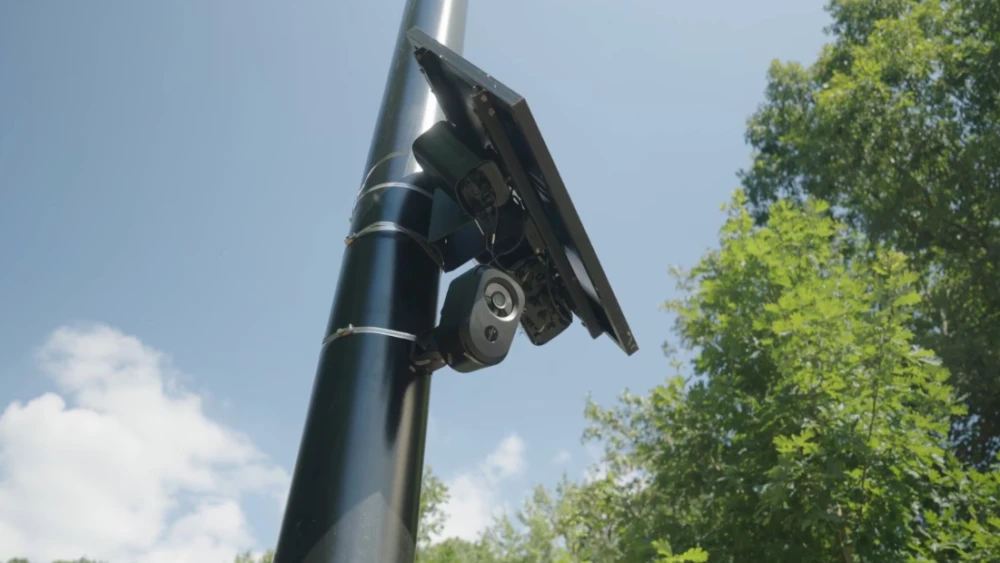
NEW YORK, NY — New York Mayor Eric Adams issued an emergency order this week to keep the city’s automated license plate reader (ALPR) program operational after its use was temporarily paused due to legal challenges, city officials and legal filings show.
The issue began after a decision by municipal authorities to stop sharing ALPR data with outside agencies led to confusion and a lawsuit alleging improper shutdown of the program, according to public records and statements from mayoral spokespersons.
Under the emergency directive, the New York Police Department will continue using ALPR technology, but must adhere to revised policy limits on data retention, access and interagency sharing, officials said, with documentation detailing procedural safeguards.
City leaders and privacy advocates have expressed divergent viewpoints on the changes, with supporters saying the technology aids in locating missing persons and stolen vehicles, while critics have called for stronger oversight and data protections.
Lawmakers and the mayor’s office said they will continue discussions to codify the ALPR policy and ensure compliance with both public safety needs and privacy concerns.