


By MES Dispatch staff
The Briefing
- Washington, D.C. — President Donald Trump signed an executive order directing federal agencies to reclassify marijuana from Schedule I to Schedule III, beginning a process that could ease research limits and taxes on the industry. Police1
- What changes now: The order does not legalize recreational marijuana nationwide; DEA must still complete its rulemaking before any rescheduling takes effect. Police1
- Why it matters for police: A shift to Schedule III could alter charging decisions, evidence handling, interagency task-force priorities, and federal tax (280E) exposure for state-legal operators—while banking and interstate commerce restrictions would remain. Police1+1
- Politics & pushback: Several GOP lawmakers urged Trump to keep marijuana Schedule I; the White House says the move is aimed at medical access and research. Police1
- Next steps/timeline: DEA rulemaking involves review and public comment; media and analysts say timing remains uncertain even with the order pressing agencies to act. Police1+1
WASHINGTON — President Donald Trump on Thursday signed an executive order to reclassify marijuana as a less dangerous drug under federal law, moving it from Schedule I to Schedule III of the Controlled Substances Act. The action, reported by the Associated Press and carried by Police1, does not legalize recreational cannabis but could open research pathways and reduce financial burdens on state-legal businesses if the DEA completes the required rulemaking. Police1
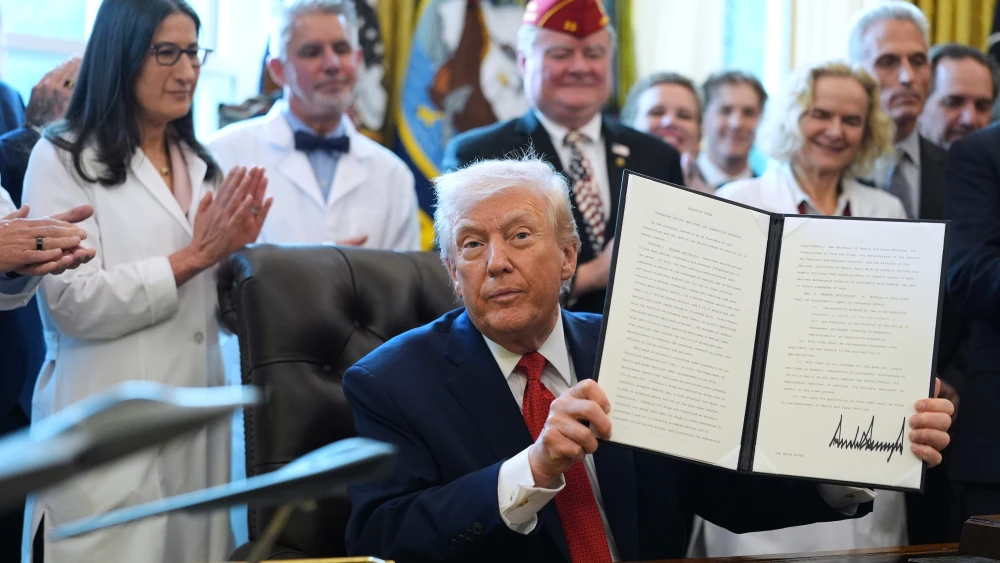
Under the order, federal agencies are directed to expedite the rescheduling process. DEA must still publish a proposed rule, accept public comments and issue a final rule before any change is effective. Officials emphasized that marijuana remains illegal under federal law for now, and existing banking and interstate commerce constraints continue. Market coverage underscored that point as cannabis stocks fell on the news, reflecting tempered expectations about immediate industry impacts. Police1+1
The AP report said the White House framed the move around medical research and patient access, while critics in Congress urged the administration to maintain current scheduling. The order also references expanded research and access to hemp-derived CBD, with administration officials touting potential benefits for older adults; details are expected to be fleshed out in agency guidance. Police1
What agencies should watch
- Charging & case law: A shift to Schedule III could influence federal charging thresholds and prosecutorial discretion, particularly in cooperative task-force cases touching both marijuana and other narcotics. State-level offenses remain governed by state law. Police1
- Policy & training: Expect renewed questions about probable cause based on odor, evidence packaging/storage, and return/disposition in jurisdictions with medical or adult-use laws. Agency attorneys should monitor DOJ/DEA memos during rulemaking. Police1
- Financial crimes focus: Even if rescheduled, cash-heavy operations, diversion, firearms, and impaired drivingremain enforcement priorities; anti–money laundering and BSA/FinCEN regimes are unchanged absent Congressional action. Barron’s
Analysts note the order mirrors—while accelerating—an earlier Biden-era proposal to place cannabis in Schedule III, but the ultimate timing and scope will depend on DEA’s administrative process. Police1