


By MES Dispatch staff
The Briefing
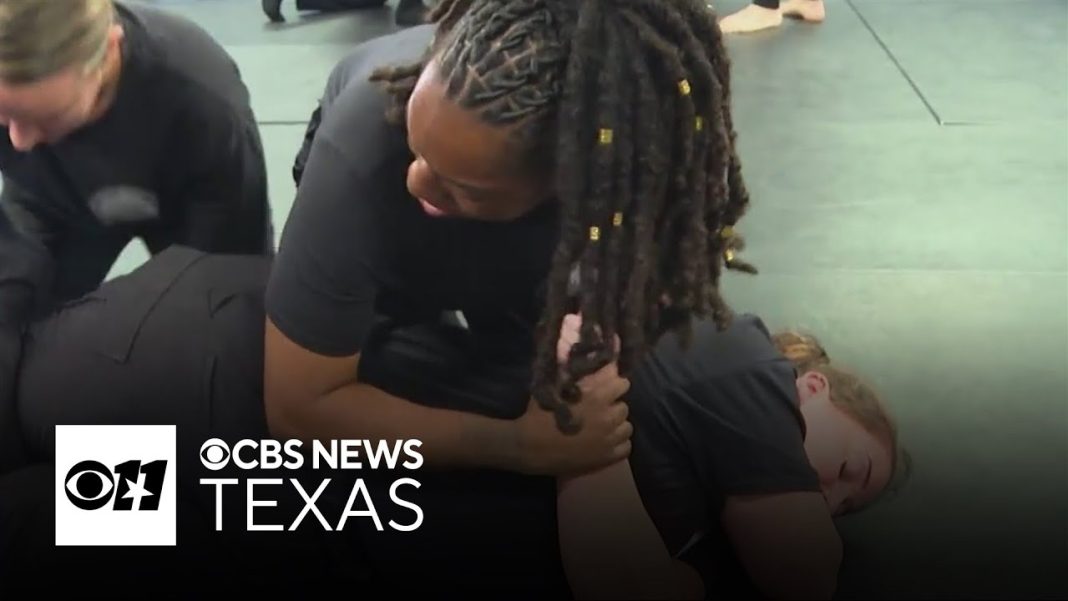
• North Texas police recruits are being trained in a jiu-jitsu-based restraint technique called SafeWrap intended to improve safety for officers and people being restrained.
• The training is taking place at the North Central Texas Council of Governments Regional Police Academy in Southlake and involves recruits from 27 agencies.
• SafeWrap positions a suspect on their side rather than face down, aiming to give officers control while reducing risk of injury or escalation.
• The method has been adopted by about 200 law enforcement agencies nationwide and recruits will be certified to use it after completing training.
• Officials say the technique could reduce liability, risk and trauma in arrest situations.
SOUTHLAKE, TX — Police recruits at the North Central Texas Council of Governments Regional Police Academy are receiving instruction in a jiu-jitsu-based restraint method designed to increase safety for both officers and individuals taken into custody.
The training, which began in March 2026, involves recruits from 27 North Texas police departments and focuses on the SafeWrap technique, officials said.
SafeWrap places a person on their side during restraint, officials and instructors said, in contrast to traditional face-down methods, with the intent of maintaining control while reducing the risk of breathing difficulties or injury.
Charlie Fernandez, director of Gracie Survival Tactics with Gracie University and a SafeWrap instructor, said the method removes tactical advantages from a resisting subject and promotes safer outcomes for all parties involved.
The technique, which draws on Brazilian jiu-jitsu concepts, has been adopted by nearly 200 law enforcement agencies nationwide, and graduates of the academy will be certified to use it when they return to their departments.
Christy Martinez, director of the academy, said the goal is to minimize liability, risk and trauma in encounters that require physical restraint.