


By MES Dispatch staff
The Briefing
• The U.S. Supreme Court granted qualified immunity to a Vermont police officer who used a rear wristlock to arrest a protester.
• The High Court ruled the officer’s force did not violate clearly established law in the March 2026 decision.
• The case stemmed from a 2017 arrest at a Burlington, Vt., demonstration.
• The protester sued, alleging excessive force; lower courts were divided on qualified immunity.
• The Supreme Court’s action reverses a ruling that had allowed the lawsuit to proceed.
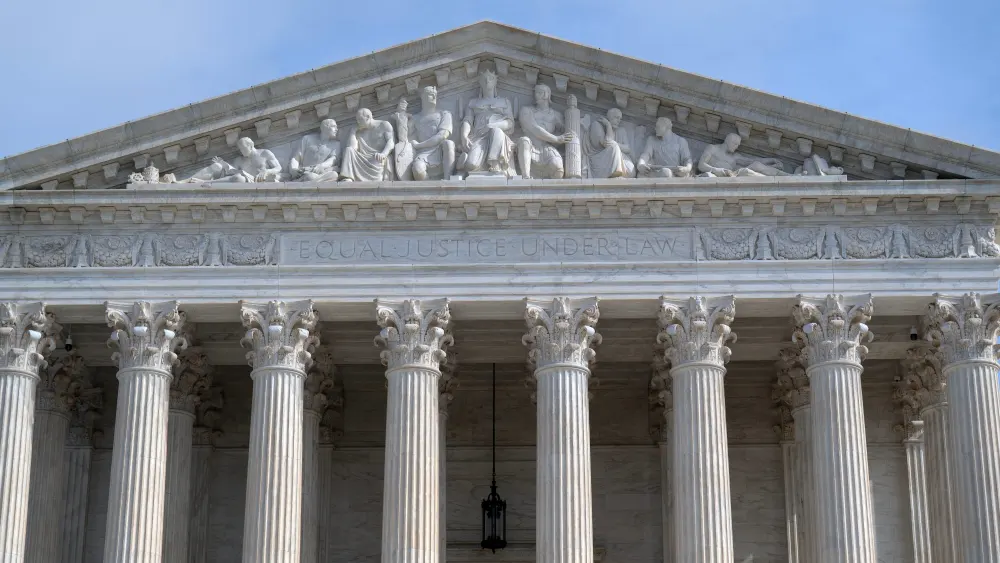
WASHINGTON, DC — The U.S. Supreme Court on Thursday granted qualified immunity to a Vermont police officer who was sued over the use of a rear wristlock while arresting a protester during a 2017 demonstration, legal filings show.
The High Court ruled the force used did not violate clearly established law, reversing a lower court decision that had allowed the excessive force lawsuit to proceed against the officer.
The case arose when Burlington, Vermont, Police Department officers responded to a protest in which a demonstrator resisted arrest and an officer applied a rear wristlock to gain compliance.
The protester subsequently filed a civil rights lawsuit alleging the maneuver constituted excessive force; lower federal courts differed on whether existing precedent clearly prohibited the officer’s conduct.
In Thursday’s order, the Supreme Court granted qualified immunity, shielding the officer from liability and preventing the lawsuit from moving forward on the excessive force claim.
The decision adds to the Court’s qualified immunity jurisprudence but did not include a full written opinion explaining the rationale; details of any remaining procedural posture were not immediately available.