


By MES Dispatch staff
The Briefing
- Muskegon County, Mich. — Former officer Joe Stapel, 76, expanded his nonprofit Help Michigan Heroes to cover counseling costs for civilians hit by recent shootings and fatal crashes, not just first responders. Officer
- The group will pay co-pays—and full out-of-pocket costs if uninsured—for trauma counseling at a partner clinic. Officer
- Stapel founded the nonprofit in 2023 after receiving a PTSD diagnosis; it began by supporting police, fire, EMS and ER nurses. Officer+1
- Expansion follows multiple local tragedies, including a Dec. 10 semi-tanker crash that killed two and a multi-victim shooting; he says early care can blunt long-term impacts. Officer
MUSKEGON COUNTY, Mich. — A retired West Michigan police officer who was diagnosed with post-traumatic stress disorder has widened his nonprofit’s mission to help civilians shaken by recent violence and fatal crashes, pledging to cover therapy co-pays—and full costs for those without insurance—so people can access counseling without delay.
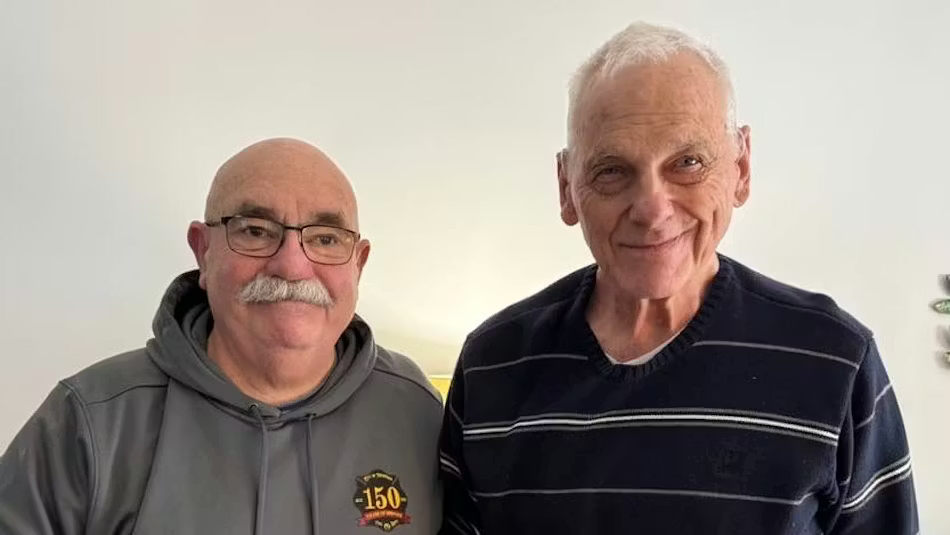
Joe Stapel, 76, launched Help Michigan Heroes in 2023 to underwrite mental-health care for first responders. After a string of high-profile incidents, he said the organization will now pay for counseling for any community memberaffected by traumatic events, regardless of insurance status. The nonprofit is partnering with a local clinic to accept referrals and bill the charity directly. Officer
Stapel, who served with Norton Shores and other Muskegon-area departments, said his own PTSD diagnosis in 2017—and decades of cumulative exposure to fatal wrecks and violent scenes—shaped the expansion. He argues that early, confidential access to counseling can prevent people from turning to alcohol or other unhealthy coping mechanisms. “It’s a life sentence,” he said of intrusive memories first responders and civilians can carry after critical incidents. Officer
Originally focused on police, firefighters, EMTs and ER nurses, the nonprofit has raised small grants and donations to offset co-pays that can run $40–$140 per visit, with a pledge to cover entire sessions for the uninsured. The organization’s site outlines a county-first mission with plans to expand statewide as funding grows. Officer+1
Stapel tied the decision to recent Muskegon County cases, including a Dec. 10 crash that killed a woman and a child and a separate neighborhood shooting that left multiple victims. He said bystanders, family members and even involved drivers can face lasting psychological effects and deserve an easy path to help. Officer
Donations and referrals are accepted via Help Michigan Heroes; the nonprofit said it will direct funds to counseling for both first responders and community members as requests come in. Help Michigan Heroes