


By MES Dispatch staff
The Briefing
• A federal appeals court upheld most of Maryland’s law banning firearms in designated restricted areas after a challenge by the National Rifle Association’s state chapter.
• The U.S. Court of Appeals for the Fourth Circuit ruled Tuesday that the bulk of the restrictions are constitutional under the “sensitive places” doctrine.
• Locations upheld include government buildings, schools, health care facilities, state parks and public transportation.
• The court struck down only the ban on carrying firearms on private property open to the public without the owner’s consent.
• Exemptions in the law include law enforcement, security personnel and active-duty military.
(ANNAPOLIS, MD —) A federal appeals court on Tuesday upheld the majority of Maryland’s law restricting where firearms may be carried in public, rejecting a constitutional challenge from the state chapter of the National Rifle Association while invalidating select provisions.
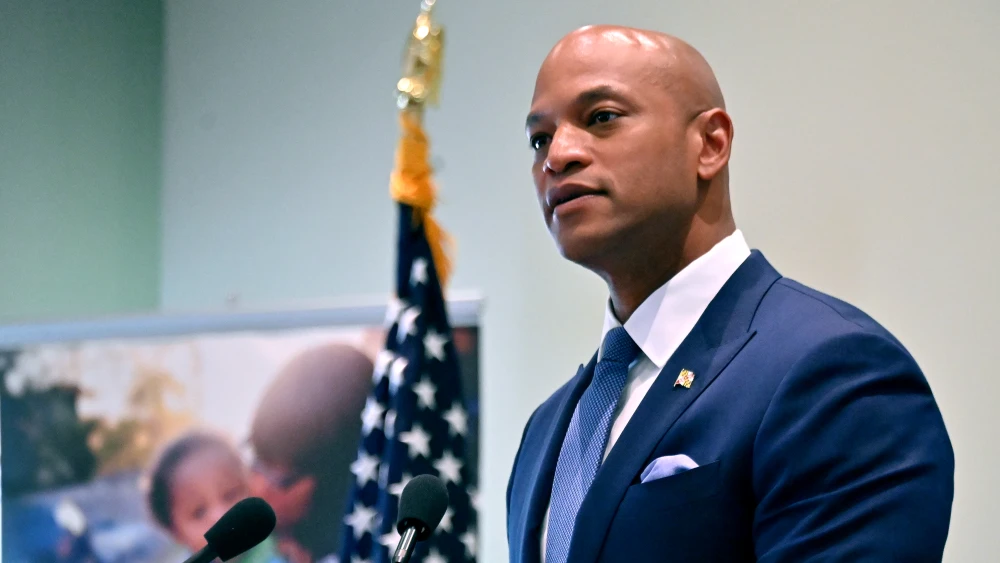
Kim Hairston/TNS
The U.S. Court of Appeals for the Fourth Circuit ruled that most of the “restricted areas” provisions in the state’s Gun Safety Act of 2023 are constitutional under the Supreme Court’s “sensitive places” doctrine, which allows governments to prohibit firearms in certain locations.
The law, enacted after the U.S. Supreme Court struck down previous concealed-carry rules, bans carrying firearms in places including government buildings, school grounds, health care facilities, public transit, museums, stadiums and state parks. Exemptions apply for law enforcement, security personnel and active-duty military.
While the Fourth Circuit upheld the bulk of these restrictions, it unanimously struck down the provision that prohibited firearms on private property held open to the public without the owner’s express consent, finding that portion of the law overly broad.
A lower court injunction blocking enforcement of some portions of the law, such as bans on guns near protests and at alcohol-serving establishments, has been reversed by the appeals court’s ruling.
The decision is part of an ongoing legal landscape involving firearms regulations nationwide and may influence challenges in other jurisdictions; further appeals, including to the U.S. Supreme Court, remain possible.