


By MES Dispatch staff
The Briefing
- • The U.S. Supreme Court unanimously ruled that Montana police acted lawfully entering a home without a warrant under the emergency-aid exception to the Fourth Amendment.
- • The case involved officers entering the residence of William Trevor Case in 2021 after a welfare call raised concerns someone inside needed help.
- • The Court held the entry was “objectively reasonable” even though the state standard did not require probable cause.
- • The ruling clarifies when officers may enter a home without a warrant during potential emergencies, reaffirming precedent.
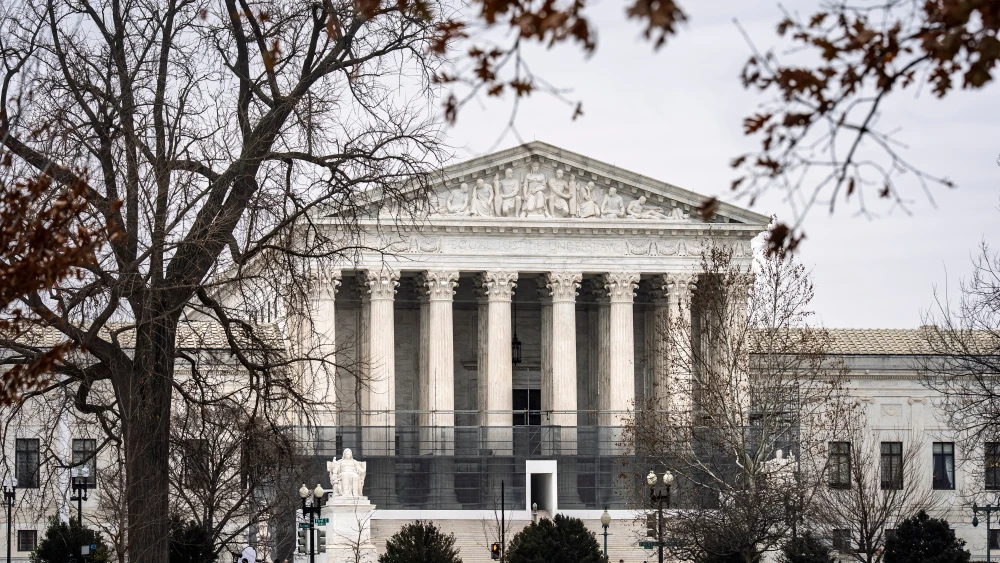
WASHINGTON — The U.S. Supreme Court issued a unanimous decision Wednesday affirming that law enforcement officers acted lawfully when they entered a Montana home without a warrant under the emergency-aid exception to the Fourth Amendment.
The case stemmed from a 2021 incident in Anaconda, Montana, involving William Trevor Case, who was shot and wounded by officers after they entered his home without a warrant following a welfare check. Officers were responding to concerns from Case’s former girlfriend that he might be harming himself.
Case was charged with assaulting an officer and argued that evidence obtained after the warrantless entry should be suppressed because officers did not have a warrant. The Montana Supreme Court had applied a standard requiring only that officers reasonably suspect an emergency.
In its opinion, the nation’s highest court found that although the state court’s lower standard was too low, the officers’ actions were nonetheless “objectively reasonable” under the precedent set in Brigham City v. Stuart for warrantless emergency entries. Justice Elena Kagan wrote that such entries remain subject to the Fourth Amendment and are limited to what is necessary to address the emergency and officer safety.
The decision clarifies the scope of the emergency-aid exception, holding that officers need only an objectively reasonable basis to believe someone inside is in imminent danger, not full probable cause, to justify entering without a warrant.