


By MES Dispatch staff
The Briefing
- Baltimore County, Md. — Retired SWAT Team Leader Robert Steinberg reflects on 2,000+ deployments since joining the unit in 2013, the toll on families and why he says the job “saved my life.” Police1
- Culture shift: He describes a decade of changed rules and public sentiment, making some scenarios more complex and, at times, less safe for officers. Police1
- Why gear matters: On accusations of “militarization,” he argues specialized equipment exists to survive long enough to rescue hostages or stop mass violence. Police1
- Wellness & stigma: After witnessing line-of-duty deaths, he avoided counseling early in his career over fitness-for-duty fears, noting resources have improved today. Police1
- Recruiting reality: What was once highly competitive hiring is now hard to fill, he says, amid nationwide retention challenges. Police1
BALTIMORE COUNTY, Md. — After more than a decade on Baltimore County Police Department’s SWAT team—including over 2,000 assignments and multiple hostage and high-risk warrant operations—Robert Steinberg has retired and is speaking candidly about how tactical policing has changed, the gear debates that swirl around it, and the human cost borne by officers and their families. Police1
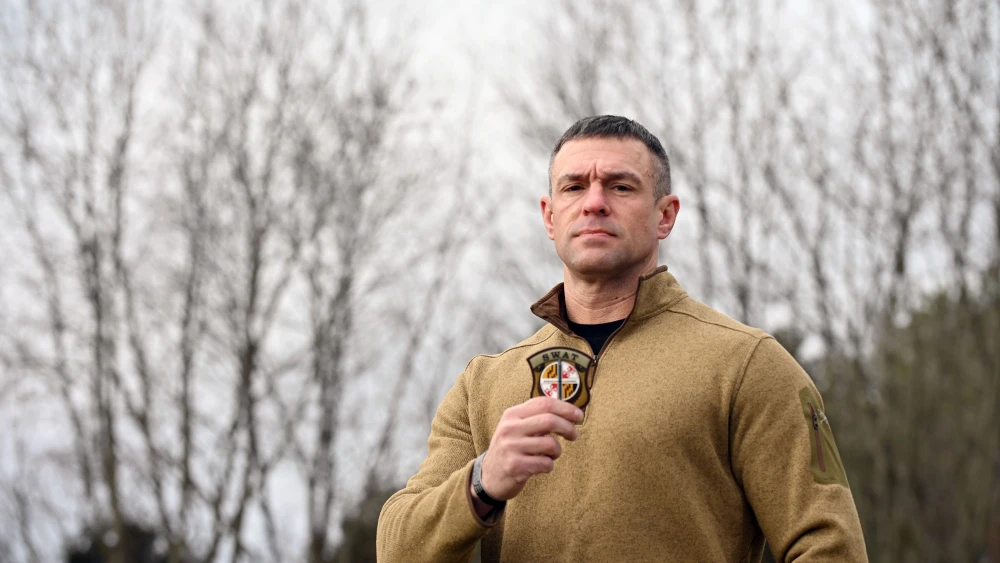
Steinberg joined SWAT in 2013, shortly before the murder of his mentor Jason Schneider during a warrant service in Catonsville—an event he says still reverberates at home and on the job. He recalls being shot at, watching two officers die, and weighing the stigma that once surrounded seeking counseling, even as wellness support has strengthened in recent years. “In the end, taking the job saved my life,” he says, crediting the career with giving him a family and stability—but acknowledging it ages you quickly. Police1
On accusations of over-militarization, Steinberg frames specialized armor, breaching tools and precision platforms as lifesaving necessities when patrol resources can’t safely resolve hostage rescues, mass-casualty threats or fortified suspects. The point, he says, is precision and survivability long enough to protect victims. Police1
He also describes the past decade’s rule changes and national climate as a double-edged sword: while many updates improve safety most of the time, they can make rare, highly violent encounters riskier if officers lack the institutional support to act decisively. Meanwhile, a profession that once drew “hundreds and hundreds” of applicants now struggles to fill academy slots, reflecting broader recruitment and retention headwinds. Police1
As he shifts to family life, Steinberg’s account underscores two parallel imperatives for agencies: equip and train teams for low-frequency, high-consequence events, and normalize mental-health care without career penalties. Police1